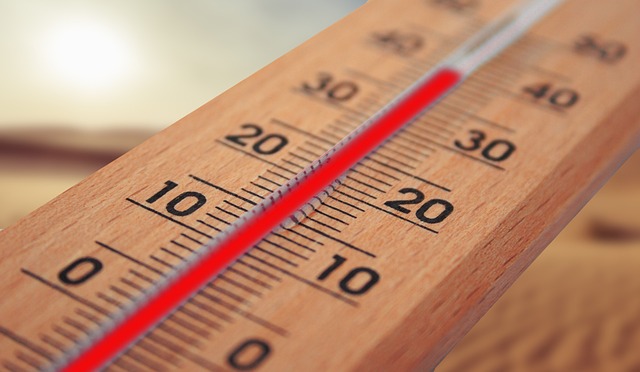
This Advice message is being issued for extreme heat across the State of Victoria, but also relates to New South Wales and South Australia.
• Severe to extreme intensity heatwave conditions have been forecast from today, Wednesday 7 January until Saturday 10 January.
• Conditions will become more intense from today, peaking on Friday.
• There will be little to no relief from high temperatures overnight.
• Conditions will progressively ease from the southwest over the weekend.
Extreme heat can make anyone sick.
Severe heat is more dangerous for people over 65 years old, the very young and those with a pre-existing medical condition.
Continuous high temperatures during the day, and no relief overnight, can stop the body from cooling down normally.
It can cause heat illness and even heatstroke, which is life-threatening.
What you should do:
Protect your health:
• Heat can make anyone sick.
• People over 65 years old, the very young and those with a pre-existing medical condition are most at risk.
• Back-to-back days of extreme heat, coupled with high overnight temperatures, can interfere with your body’s natural ability to cool down and can cause heat illness, including cramps and heat exhaustion. If left untreated, this can lead to heatstroke, which is a life-threatening illness.
• Stay cool on hot days: Use an air conditioner or a fan, wear light and loose clothing, or splash or spray cool water onto your skin.
• Keep hydrated: Always take a drink bottle with you.
• Check in with family, friends and neighbours: Let people know you are OK or check in on those at increased risk including people over the age of 65, young children and babies, pregnant women, people with acute or chronic health problems and people who are socially isolated.
• Plan ahead: Cancel or reschedule activities for a cooler time of the day and check the weather forecast regularly.
• Heat can stress pets. Provide cool, clean water and shade for your pets and animals.
• Know the symptoms of heat-related illness and monitor your health.
Plan ahead and keep up to date with weather forecasts. To find out more information visit: https://www.betterhealth.vic.gov.au/health/healthyliving/heat-stress-and-heat-related-illness.
For health advice:
• Call Nurse on Call on 1300 60 60 24 or see your doctor if you require medical advice.
• If you need urgent attention, visit your local Priority Primary Care Centre.
• In a non-life threatening emergency contact the Victorian Virtual Emergency Department.
• Or in a life threatening emergency call Triple Zero (000) immediately.
Be safe when swimming:
If you are seeking respite from the heat at beaches, rivers or inland waterways, take care:
• Learn about rip current safety.
• Swim at patrolled beach locations between the red and yellow flags.
• Monitor weather reports for changing conditions.
• Wear a lifejacket when boating.
• Read safety signs at waterways.
• Consider your own safety when attempting a rescue.
• Respect the river by looking for hidden dangers, such as submerged objects.
• Always supervise children around water. If they are under five years old, they should be within arm’s reach, and those 10 years old and under should remain in your line of sight.
• Find a patrolled swimming location at beachsafe.org.au.
Events:
• Event organisers should consider their capacity to run safe events in these conditions.
If your power goes out:
• Keep your skin wet using a spray bottle or damp sponge.
• Take cool showers or foot baths with cool tap water.
• Wear light and loose-fitting clothing.
• Consider visiting an air-conditioned building such as a shopping centre or public library.
• Use blinds or curtains to block the sun from shining directly through windows.
Impacts in your area:
• Power outages are more likely during hot weather due to equipment failures, high demand and the impact of bushfires.
• For information on how to prepare for and deal with power outages, visit www.energy.vic.gov.au/safety-and-emergencies/power-outages.
Heat can cause serious and potentially fatal health problems such as heat exhaustion and heatstroke, trigger sudden events like heart attack or stroke, or worsen existing medical conditions like kidney or lung disease.
Use multiple sources to stay informed:
- www.emergency.vic.gov.au
- VicEmergency Hotline – freecall 1800 226 226
- VicEmergency app
- Facebook or Twitter
This message was issued by the Victorian Emergency Management Commissioner.
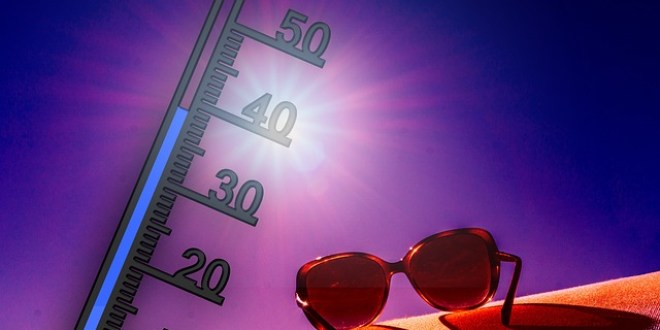
Image: Thermometer Summer Hot – Free photo on Pixabay